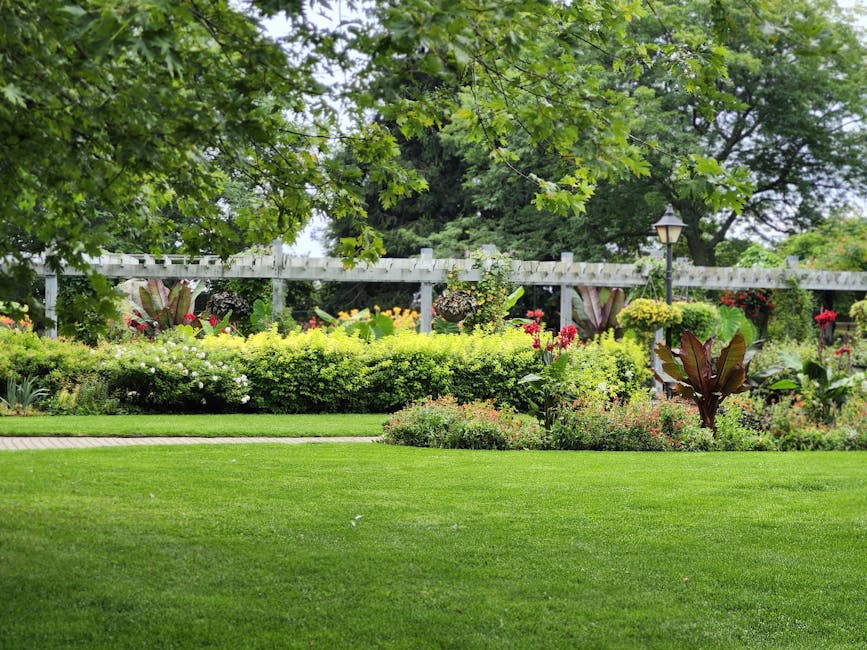
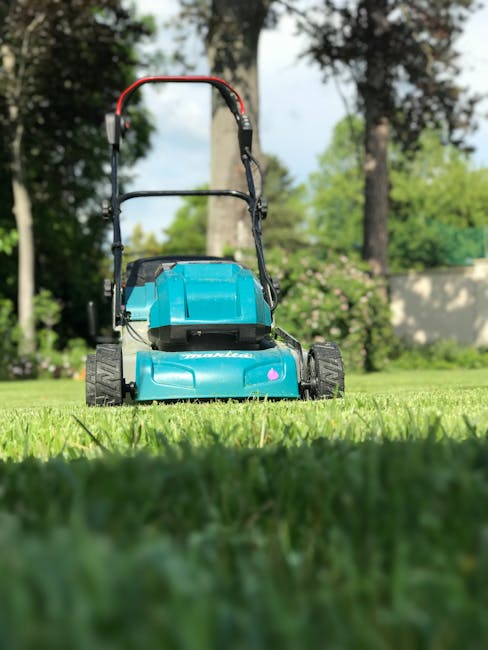
Best gardeners near Albany Park station for small lawns
If you are looking for the best gardeners near Albany Park station for small lawns, you probably want something very specific: a tidy outdoor space, sensible pricing, and a gardener who understands that a small lawn is not the same as a big suburban patch. Small gardens can be charming, but they can also be fussy. One missed edging job and suddenly the whole place looks tired. A damp corner turns mossy. The hedge starts leaning. And because the area is compact, every decision shows.
This guide is for homeowners, tenants, and landlords near Albany Park station who want practical help choosing a gardener who can handle small lawns properly. We will look at what to expect, how the work usually happens, which services actually matter, and how to avoid paying for things you do not need. It is all about getting a neat result without overcomplicating it. Truth be told, small lawns reward good judgement more than brute force.
If you want a broader view of the company's services while you compare options, you may find the full range of gardening services useful, and if your garden needs regular upkeep, the page on garden maintenance gives a good sense of the kind of ongoing support many small-lawn owners actually need.
Table of Contents
- Why the right gardener matters for a small lawn
- How the service works in practice
- Key benefits and practical advantages
- Who this is for and when it makes sense
- Step-by-step guidance for choosing well
- Expert tips for better results
- Common mistakes to avoid
- Tools, resources and recommendations
- Law, compliance, standards, and best practice
- Options and comparison table
- Case study or real-world example
- Practical checklist
- Conclusion
- Frequently asked questions
Why the right gardener matters for a small lawn
Small lawns can be deceptively difficult. There is less room to hide uneven cuts, sloppy edges, or patchy growth, so the margin for error is tiny. In a larger garden, a slightly rough finish can disappear into the background. Not on a compact plot near Albany Park station. There, the eye goes straight to the lawn line, the fence edge, and the border shape.
That is why the best gardener for a small lawn is not necessarily the one with the biggest van or the longest list of services. It is the person or team who understands proportion, frequency, and the difference between maintenance and over-servicing. A small lawn usually needs lighter, more regular care: mowing at the right height, crisp edging, weed control that does not damage nearby plants, and a sensible plan for seasonal changes.
There is also the practical side. Small gardens often sit close to patios, side returns, sheds, or shared access paths. That means any gardener needs to work neatly and safely. If you have paving as well as turf, combining tasks can make more sense than booking separate visits. For example, a gardener who also handles patio cleaning can help the whole space feel brighter rather than just cutting the grass and leaving the rest looking half done.
And there is a lifestyle point that often gets missed: a small lawn should be easy to enjoy. It should not feel like a weekly burden. The right gardener helps you keep that balance. Not perfect. Just pleasantly tidy, which is usually what people really want anyway.
How the service works in practice
For most small lawns, the process starts with an assessment. A good gardener will look at lawn size, access, shade levels, how often it grows, and whether the area is used by children, pets, or both. They may also check for moss, bare patches, compacted soil, weeds, uneven edges, and drainage issues. On a small site, those details matter more than people expect.
From there, the work usually breaks into a few simple tasks:
- Mowing: keeping the grass at a consistent height suited to the season and lawn condition.
- Edging: trimming the borders so the lawn has a clean outline.
- Weed and moss control: reducing competing growth before it takes over.
- Light lawn care: feeding, aerating, scarifying, or overseeding when appropriate.
- General tidy-up: removing clippings and making the space feel finished.
For some gardens, the work is mostly about regular mowing. For others, the first visit is more of a rescue job. If that sounds familiar, the article on first steps in breathing life into a neglected garden is a useful companion read, especially if your lawn has been left a bit too long. Happens more often than people admit.
It is also worth asking how the gardener handles waste, timing, and access. Small gardens can be awkward if tools are too bulky or the route in is narrow. The best providers plan around that, rather than making the space feel like an obstacle course. Slightly mundane detail, maybe, but it makes a huge difference on the day.
Key benefits and practical advantages
Choosing a good local gardener for a small lawn near Albany Park station brings a few clear advantages. Some are obvious, others you only notice after the first few visits.
- Cleaner presentation: Small lawns look best when the cut is even and the edges are sharp.
- Better use of time: A professional can do in 30 minutes what might take you most of a Saturday.
- Healthier turf: Regular mowing and basic lawn care help grass stay denser and more resilient.
- Less guesswork: You do not have to wonder whether the lawn is too long, too short, too wet, or due for feeding.
- Improved resale or rental appeal: A neat, manageable garden often helps the whole property feel cared for.
- Less strain on you: No dragging equipment through a tight side return or dealing with a mower that is, frankly, a bit temperamental.
One underappreciated advantage is consistency. A small lawn can go from smart to scruffy in a week or two, especially in mild weather. Regular visits keep the garden in that easy middle ground where it always looks looked after. Not show-garden perfect. Just reliable.
If your garden is part lawn, part border, part utility space, a gardener who understands mixed-use outdoor areas can be especially helpful. For example, some clients pair lawn care with light planting advice from a guide like ground covers for UK gardens to reduce bare patches and cut down on awkward maintenance corners.
Who this is for and when it makes sense
This kind of service is a strong fit for several common situations around Albany Park station. You might recognise yourself in one of these:
- Busy households that want the lawn kept neat without spending weekends on it.
- Older homeowners who prefer not to push a mower around every few weeks.
- Landlords who need outdoor areas to stay presentable between tenancies.
- First-time buyers with a small garden and no clear plan yet.
- Pet owners who want the lawn safe, clean, and not full of messy overgrowth.
- Families who use the garden often and need it looking good with minimal fuss.
It also makes sense if your lawn is small enough that buying and storing equipment feels excessive. Let's be honest, a full-size mower is not always sensible for a patch of grass that barely fills the back of a terrace. In those cases, hiring someone regular can be cheaper in the long run than storing tools you rarely enjoy using.
If pets are part of daily life, it can be worth reading about a garden tailored for dogs so you can keep the lawn practical, safe, and easy to clean. Likewise, families with young children often benefit from planning guidance such as planning a garden space for children, because small lawns often have to work hard as play space too.
Step-by-step guidance for choosing well
If you want the best result, do not choose a gardener purely on price. For a small lawn, the cheapest option can still be fine, but only if the service fits the job. Here is the practical way to decide.
1. Define what you actually need
Start with the basics. Do you want one-off mowing, regular visits, seasonal lawn care, or a broader maintenance plan? If the garden only needs a quick tidy every couple of weeks, do not overbuy a big package. Small lawns usually reward lean, simple service plans.
2. Check whether the gardener understands small spaces
This is surprisingly important. Ask how they handle tight access, narrow side paths, and compact plots. Do they use manageable equipment? Will they avoid damaging nearby borders? Can they work neatly around sheds, washing lines, or garden furniture? A gardener who is used to bigger properties may still be excellent, but they should show they understand the quirks of a smaller site.
3. Ask about lawn condition, not just cutting
A good gardener should notice if the lawn is thinning, shading out, or suffering from compaction. They do not need to turn every visit into a lawn science lecture, thankfully. But they should be able to suggest sensible next steps, such as overseeding, light feeding, or weed reduction.
4. Compare service scope, not only headline price
One quote might include edging and clippings removal, while another only covers mowing. On a small lawn, those extras often make the whole service feel worthwhile. If you are comparing providers, a general guide such as how to choose the best lawn mowing company can help you spot the differences that matter.
5. Ask how often the lawn should be maintained
There is no magic schedule. Growth speed depends on shade, soil, weather, and how the lawn is used. But a gardener should be able to recommend a sensible routine rather than leaving you to guess. For many small lawns, regular light maintenance beats occasional heavy cutting every time.
6. Make sure the quote is clear
Ask what is included, how long the visit should take, and whether there are extra charges for overgrown grass, waste removal, or occasional add-ons. Good quoting keeps surprises low. If you want to compare numbers properly, the company's pricing and quotes page is a sensible place to begin.
Expert tips for better results
Once you have a gardener you trust, a few small habits can make the lawn look better for longer. None of this is complicated, which is exactly the point.
- Keep the lawn slightly longer in dry spells. Short grass can scorch more easily, especially on exposed or shallow-soil plots.
- Do not cut too much at once. Removing too much blade in one go can stress the grass.
- Edge regularly. On a small lawn, edges do a lot of visual work.
- Deal with weeds early. They are far easier to manage when they have not had a chance to spread.
- Let light and air move through the garden. A crowded, damp corner is often where moss and patchiness begin.
- Pair mowing with light seasonal care. Even a little feeding or aeration can help the lawn recover after wear.
There is also a design angle worth mentioning. In very small gardens, it can be smart to reduce the amount of "fussy" planting at the lawn edge and replace a few awkward patches with low-maintenance structure. A simple border, a compact hedge, or a neat ground cover can cut future work. The article on efficiently growing hedge varieties is useful if you are trying to create privacy without making the space feel cramped.
And if your lawn sits alongside a seating area, a bit of planning goes a long way. The right layout keeps chairs, pots, and pathways from constantly tripping up mowing. You will notice the difference almost immediately. Funny how the smallest changes often save the most hassle.
Common mistakes to avoid
Small lawns expose mistakes quickly, which is annoying but helpful. If something is wrong, you spot it straight away. The following errors are the ones most likely to waste money or create extra work later.
- Choosing only on price. Cheap can be fine, but cheap without clarity usually becomes expensive in frustration.
- Ignoring lawn health. A neat cut is not the same as a healthy lawn.
- Over-cutting in one visit. This can leave the lawn stressed and pale.
- Forgetting access issues. Narrow gates, steps, and shared entrances can affect the work more than people realise.
- Overcomplicating maintenance. A small lawn rarely needs an elaborate programme.
- Letting clippings pile up. On a compact lawn, leftover debris looks messy fast.
A less obvious mistake is hiring a gardener who treats the lawn as the whole garden. If the surrounding areas are neglected, the lawn can look isolated and oddly unfinished. That is why many homeowners prefer a broader maintenance visit, even if the lawn is the main concern. If ivy, weeds, or border creep are becoming a nuisance, the article on getting rid of ivy forever and the guide on superior weed management can help you think beyond mowing alone.
Tools, resources and recommendations
You do not need a shed full of equipment to keep a small lawn in shape, but the right tools matter. Here is the simple toolkit most homeowners end up needing one way or another.
- Reliable mower: suitable for the size of the lawn and easy to handle in tight spaces.
- Trimmer or edging tool: for a smart finish around paths and borders.
- Leaf rake: especially useful in autumn.
- Hand fork or aerator: for compacted patches or basic soil loosening.
- Lightweight feed or soil improver: depending on the lawn's condition.
- Green waste bags or collection plan: so clippings do not sit around and spoil the look.
If you prefer to keep the garden low-effort, think about the design as well as the maintenance. Container planting can reduce awkward corners, and a clear planting plan can make even a tiny plot feel intentional. If that sounds useful, the article on container gardening offers a practical way to add interest without overcrowding the lawn.
For homeowners who like a more styled look, there are also options that pair well with compact outdoor spaces: vertical planting, neat hedging, and simple seating corners. The point is not to overload the garden. It is to make every metre earn its keep. A small lawn should feel like part of a calm outdoor room, not an afterthought.
Law, compliance, standards, and best practice
For domestic garden work, there usually is not a mountain of paperwork, but there are still standards worth paying attention to. A professional gardener should operate safely, treat your property with care, and be clear about what is and is not included in the service.
Good practice in the UK generally means sensible equipment handling, safe waste disposal, and transparent service terms. If tools or machinery are used on-site, the gardener should be mindful of hazards such as wet surfaces, children's play areas, pets, and shared access paths. That may sound obvious, but obvious things are exactly what get skipped when people are rushing.
It is also reasonable to expect clarity around insurance, payment security, and complaints handling. These are not glamorous topics, granted, but they are part of trust. A provider that makes these details easy to find is usually one that takes customer care seriously. You can review related policy information through pages such as insurance and safety, health and safety policy, payment and security, and terms and conditions.
For customers who care about accessibility, privacy, or fair business practices, it is reassuring to see those pages too. They are not lawn-care features exactly, but they signal a company that pays attention to the unglamorous bits, which, to be fair, is where trust is built.
Options and comparison table
There are usually three sensible ways to manage a small lawn near Albany Park station: do it yourself, book occasional help, or arrange regular maintenance. Each has its place.
| Option | Best for | Pros | Watch-outs |
|---|---|---|---|
| DIY mowing | Very small lawns and confident gardeners | Lowest direct cost, full control | Requires storage, time, and routine |
| Occasional gardener visits | People who want tidy results without a fixed schedule | Flexible, good for seasonal catch-up work | Can drift if the lawn grows faster than expected |
| Regular maintenance plan | Busy households, landlords, and high-visibility gardens | Consistent finish, less stress, better long-term appearance | Needs a clear scope so you do not pay for unnecessary extras |
In many small-garden cases, regular maintenance offers the best balance. It keeps the grass manageable and avoids the "let it grow a bit more" spiral that leads to a Saturday lost with shears and sighing. Still, if your garden barely needs work, occasional visits may be plenty.
If you are trying to judge which route feels right, look at how much you value consistency versus flexibility. That is the real question. Not which option sounds fancier.
Case study or real-world example
Imagine a compact back garden near Albany Park station: a narrow lawn, a small patio, a side path, and a mixed border that gets a little too much shade from a fence and nearby shrubs. The owner wants the space to feel neat, but not overly formal. They also do not want to spend every other weekend sorting it out.
A good local gardener would likely start with a tidy cut, then edge the lawn so the borders read clearly. The next step might be to remove moss, reduce weeds, and suggest a slightly longer mowing height for the shadier section. If the shaded area struggles year after year, a practical suggestion may be to introduce a ground cover rather than fight a losing battle with thin grass.
Within a couple of visits, the whole garden can feel more coherent. The patio looks more inviting, the lawn edge stops wandering, and the owner no longer feels embarrassed when they open the back door. That last part matters more than people say out loud. A garden should feel good to use, not just good to photograph.
If the garden has been neglected for a while, adding one or two longer-term fixes can help. A mix of weed control, better planting choices, and a straightforward maintenance routine often creates the biggest change with the least drama. Which, honestly, is the sweet spot.
Practical checklist
Use this simple checklist before booking a gardener for a small lawn near Albany Park station:
- Confirm the size and condition of the lawn.
- Decide whether you want one-off help or regular visits.
- Check that edging is included, not assumed.
- Ask how clippings and waste are handled.
- Find out whether the gardener is comfortable with narrow access or compact plots.
- Ask if the quote covers overgrown grass or extra tidy-up work.
- Check whether the gardener can advise on moss, weeds, or bare patches.
- Review insurance, payment, and service terms before agreeing.
- Think about whether the rest of the garden needs light maintenance too.
- Make sure the service feels realistic for your actual budget and schedule.
If your garden needs more than mowing, it may be worth looking at broader support such as lawn care or even a wider maintenance plan. Small lawns can be easy to manage, but only when the basics stay on track.
One final tip here: ask for a quote before the garden becomes a problem. The sooner you set a routine, the less likely you are to end up with an overgrown mess that takes more time and money to sort. Small lawns reward early action. Every time.
Get a free quote today and see how much you can save.
Conclusion
The best gardeners near Albany Park station for small lawns are the ones who bring precision, practicality, and a tidy finish to a compact space. Small gardens need less brute force and more judgement. The right gardener knows when to mow, when to edge, when to suggest a simple improvement, and when to leave well enough alone. That balance is what turns a little patch of grass into a garden that feels cared for.
Whether you need regular lawn mowing, occasional maintenance, or help untangling a small space that has got a bit unruly, the aim is the same: make the garden easy to enjoy. And if it leaves you with more free time on a Saturday morning, well, that is no bad thing.
A small lawn can be surprisingly satisfying when it is handled properly. Neat, calm, and ready for everyday life. That is the real win.
Frequently Asked Questions
What should I look for in a gardener for a small lawn?
Look for someone who understands compact spaces, gives clear quotes, includes edging, and can explain how they will handle weeds, moss, and access. A good small-lawn gardener should keep things simple and tidy.
Is regular mowing better than occasional mowing for a small lawn?
Usually, yes. Regular mowing helps keep the lawn even, reduces stress on the grass, and prevents the space from looking overgrown. Occasional mowing can work, but it often suits very low-growth gardens only.
Do small lawns need lawn care, or is mowing enough?
Sometimes mowing is enough, but many small lawns benefit from light lawn care too, such as feeding, overseeding, or moss reduction. If the grass is thin or patchy, mowing alone will not solve the problem.
How often should a small lawn near Albany Park station be cut?
It depends on growth, weather, shade, and use. In milder periods, small lawns often need more frequent attention than people expect. A gardener should suggest a sensible routine based on your actual garden, not a fixed guess.
Can a gardener help if the lawn is overgrown and neglected?
Yes. Many gardeners can tackle neglected lawns, but it is best to say so up front. Overgrown grass may need a staged approach rather than one heavy cut, especially if the lawn is weak underneath.
Should edging be included in a small lawn service?
It really should, yes. On a small lawn, edging makes a huge difference to the overall finish. Without it, even a freshly cut lawn can still look unfinished.
What is the difference between lawn mowing and lawn care?
Lawn mowing is the cutting of the grass. Lawn care is broader and may include feeding, aerating, weed control, moss management, and improving the lawn's condition over time.
Are small lawns cheaper to maintain than large ones?
Usually they are, because they take less time and less equipment effort. That said, awkward access, overgrowth, or extra weed work can affect the final price. A clear quote helps avoid surprises.
How do I know if I need garden maintenance as well as mowing?
If the borders, paths, hedges, or surrounding planting are also looking tired, a broader maintenance visit may be better value. A lawn can look neat, but if everything around it is messy, the whole garden still feels off.
Is it worth hiring a gardener for a tiny lawn?
Often, yes. If you do not enjoy mowing, do not have the right tools, or simply want a reliable result, hiring a gardener can be well worth it. Small lawns can be easy to maintain, but only if you keep up with them.
What questions should I ask before booking?
Ask what is included, how often visits are recommended, whether waste is removed, and whether the gardener has experience with compact gardens. If you have pets, children, or awkward access, mention that too.
Where can I learn more about choosing the right service?
You can get a helpful overview from the page on choosing the best lawn mowing company, and if you want to understand the business side, the pages on pricing and quotes and about us are worth a look too.