Gardeners Blackfen guide to Blackfen Road front gardens
Front gardens do a lot of quiet heavy lifting. They greet visitors, soften the look of the house, and-if they're planned well-make daily life easier too. This Gardeners Blackfen guide to Blackfen Road front gardens is for homeowners who want a front space that looks smart without becoming a weekend burden. Whether you're dealing with a narrow plot, an awkward slope, tired turf, or a hedge that has clearly had one growth spurt too many, the right approach can make the whole frontage feel calmer and more welcoming.
Blackfen Road has the kind of everyday front gardens that reward practical thinking: spaces that need easy access, tidy edges, reliable planting, and a design that still works in wet winters and dry spells. In this guide, we'll look at what matters, how front-garden improvements usually work, and which choices are worth your time if you want something that looks good now and still makes sense a year from now. Truth be told, front gardens are often neglected until they start causing friction. Then the weeds, the patchy lawn, and the overgrown hedge suddenly become impossible to ignore.
If you'd like a broader sense of what ongoing support can cover, it may help to look at garden maintenance and the wider range of gardening services available for homes in the area.
Why Gardeners Blackfen guide to Blackfen Road front gardens Matters
Front gardens are not just decoration. They shape first impressions, influence how easy it is to park, walk, or open gates, and can make a property feel cared for even before you step inside. On a road like Blackfen Road, where homes often sit close to the pavement and are seen every day by neighbours, delivery drivers, and passers-by, a tidy front garden quietly adds value in the broadest sense: visual, practical, and emotional.
There's also a very British reality to front-garden ownership. The weather is rarely gentle for long. One week it's rain and soft ground; the next it's dry, compacted soil and weeds pushing through cracks. A front garden that has been designed around local conditions saves time and stress. It is much easier to maintain a simple scheme than to fight with a complicated one every month.
Good front-garden planning matters even more when the space is small. A tiny strip of lawn with a couple of shrubs can look neat for a week, but without structure it can quickly become lopsided. A better design uses repetition, edges, and planting that stays in shape. That means less clipping, less weeding, and far fewer "I'll deal with it next weekend" moments.
There's a confidence factor too. When the front of a home looks orderly, the whole property feels more settled. You notice it when you pull up in the evening and the light catches clean paving, clipped hedging, and a border that actually belongs there. Small thing, maybe. But it changes the mood.
How Gardeners Blackfen guide to Blackfen Road front gardens Works
The best front-garden improvements usually follow a simple sequence: assess the existing space, define what the garden needs to do, then choose materials and plants that can cope. That sounds obvious, but many front gardens go wrong because the design starts with an idea rather than the realities of the site.
For example, if your front garden gets strong wind, it may need shelter planting rather than delicate ornamental species. If it gets very little sun, lawn may not be the right anchor. If the space has a narrow path or limited turning room, oversized beds can become a nuisance. The best results come from matching layout to use.
In practical terms, a front-garden plan often includes some combination of the following:
- Clear boundaries such as low hedges, rails, or fencing
- Access routes that stay visible, safe, and easy to sweep
- Low-maintenance planting that gives year-round structure
- Surface choices like gravel, paving, or turf depending on use
- Seasonal upkeep such as hedge trimming, mowing, and weed control
The key is balance. You want enough planting to soften the frontage, but not so much that the garden becomes hard to manage. It's a bit like a good haircut, if you'll forgive the comparison. Clean lines, the right amount of texture, and nothing that gets in the way.
If the front garden has become heavily overgrown, starting with a reset can help. That may mean clearing ivy, removing dead growth, pruning back shrubs, and deciding what genuinely deserves to stay. For that kind of tidy-up, our guide to bringing a neglected garden back to life is a useful starting point.
Key Benefits and Practical Advantages
Well-planned front gardens are not just prettier. They also make everyday life easier. That is the part people often miss at first. They imagine flowers and edging, when really the biggest wins are the ones you feel week after week.
1. Better kerb appeal without constant work
A smart front garden can lift the appearance of the house with relatively little maintenance. Structured planting, reliable evergreen shrubs, and a clear edge between lawn and border tend to stay attractive longer than fussy schemes.
2. Easier access and safer movement
Front gardens need to work for bins, parcels, visitors, children, and sometimes bikes or prams. A clean route from gate to door matters. Slippery moss, uneven edging, and overgrown plants quickly become a nuisance.
3. More privacy, less exposure
Even a modest hedge or layered planting can reduce that feeling of being on display. It doesn't have to be fortress-like. In fact, a lighter touch often looks better. If privacy is one of your goals, a guide to fast-growing hedge varieties can help you think through the options.
4. Lower long-term maintenance
Front gardens that rely on tough ground cover, compact shrubs, and tidy hard landscaping usually take less upkeep than mixed, sprawling planting beds. For many households, that is the real selling point. Not zero work. Just less of it.
5. Better seasonal resilience
Front gardens are exposed. Wind, salt, heavy rain, frost, foot traffic, and occasional heat all take their toll. A resilient planting scheme and a sensible surface choice reduce damage and keep things looking presentable through the year.
| Front-garden feature | Main advantage | Potential downside |
|---|---|---|
| Short hedge | Defines the space neatly and adds structure | Needs trimming to stay crisp |
| Small lawn | Softens the frontage and feels traditional | Can become patchy or awkward in shade |
| Gravel or paving | Low maintenance and clean-looking | Can look stark without planting |
| Ground cover planting | Suppresses weeds and fills space naturally | Needs careful plant selection |
Who This Is For and When It Makes Sense
This guide is for homeowners who want a front garden that looks intentional rather than accidental. That includes people with tiny spaces, patchy lawns, old shrubs that have outgrown their welcome, and anyone who is tired of mowing around awkward borders. If that sounds familiar, you're in the right place.
It also makes sense if you are:
- Preparing a property for sale or rental
- Trying to reduce weekly garden chores
- Improving access for children, prams, or older family members
- Adding privacy without blocking light completely
- Refreshing a frontage that has become a bit tired and uneven
For some households, the best answer is a full redesign. For others, it is a simple maintenance plan: hedge trimming, weed control, lawn care, and a few better plants. There's no prize for overcomplicating it. If the garden already has bones you like, keep them. Just make them work harder.
This is also useful for people who want to understand service options before asking for help. A front garden can need a mix of lawn care, lawn mowing, and sometimes hedge trimming in Blackfen to stay presentable across the seasons.
Step-by-Step Guidance
A front garden improves fastest when you tackle it in the right order. Start with structure, then move to planting, then finish with maintenance. If you reverse that order, you can end up planting around problems and making more work for yourself later. Been there, seen it, fixed it.
- Assess what is already there. Look at sun, shade, wind, soil condition, drainage, and how people actually move through the space. A garden that looks fine from the road may still be awkward in daily use.
- Decide the main job of the garden. Is it mostly decorative? Does it need privacy? Must it allow bins and bikes through? Knowing the main job stops you from trying to make one garden do five jobs badly.
- Clear problem growth. Remove dead plants, invasive weeds, and anything choking the space. Ivy, in particular, can get stubborn fast if it is left to wander. If that sounds familiar, the article on removing ivy properly is worth a look.
- Repair the basics. Tidy edging, level any wobbly paving, refresh mulch, and check gates or fences. If timber is failing, a simple fix now is better than a bigger headache later.
- Choose a planting style. Go for repetition and restraint. Three or four reliable plant types often look smarter than ten different ones fighting for attention.
- Add a focal point. This might be a specimen shrub, a small tree, a pot by the door, or a well-shaped hedge. One clear feature is enough in a front garden.
- Plan ongoing maintenance. Set a rhythm for mowing, trimming, and weed checks. Front gardens stay attractive because someone keeps nudging them back into shape.
A useful rule: if a feature is hard to access, hard to clean, and hard to explain, it probably doesn't belong in the front garden. That sounds blunt, but it saves a lot of regret.
Expert Tips for Better Results
Small adjustments often make the biggest difference in a front garden. The trick is to think like a person who has to live with the space, not just admire it for two minutes on a sunny afternoon.
Use repetition to calm the design
Repeating the same plant, colour, or edging material helps a front garden feel coherent. This is especially helpful on Blackfen Road where some frontages are long and visually busy. A repeated rhythm is quietly powerful.
Choose plants for resilience first
Pretty is fine. But if a plant flops in wind, browns off in frost, or needs constant rescue, it becomes a chore. For ground-level fill, many homeowners benefit from low-maintenance options like those in this ground-cover guide.
Keep heights layered
Low planting nearest the path, medium planting in the border, and taller shrubs or hedging at the boundary create depth without blocking views. It also helps the garden feel larger than it really is. Useful trick, that.
Don't ignore the path edge
The point where planting meets paving is where a lot of front gardens start to look scruffy. Clean edging, a neat gravel strip, or a clipped border can make a small garden look instantly sharper.
Think about year-round structure
Winter matters. Bare borders are normal, but a good front garden still has shape when flowers are gone. Evergreen shrubs, tidy hedges, architectural grasses, or a well-placed pot can stop the space from feeling empty in January.
If your front garden gets hammered by wind or exposed weather, it can be worth reading up on managing wind in the garden and protecting garden spaces from weather damage. The advice there is especially helpful for open, roadside plots.
Common Mistakes to Avoid
Front gardens usually look worse because of a handful of repeat offenders. The good news is that most of them are easy to correct once you spot them.
- Overplanting: Too many varieties make the garden feel cluttered and harder to maintain.
- Choosing high-maintenance plants for a low-maintenance goal: This one catches people out all the time.
- Ignoring drainage: A front garden with poor drainage turns muddy, patchy, and unpleasant after rain.
- Letting hedges drift out of shape: Once they get wide and leggy, they are harder to rein back in.
- Forgetting access: A beautiful bed is not much use if bins or a mower cannot pass comfortably.
- Using bare soil as a permanent feature: Bare soil usually becomes weed soil. Not ideal.
Another common issue is trying to force lawn into a site that simply does not want lawn. Heavy shade, compacted ground, or narrow awkward strips are often better served by ground cover, gravel, or planting. If you keep losing the grass, it may be the wrong hero for the job.
And yes, weeds. They always return unless you stay on top of them. A practical refresher on weed management basics can save you a lot of irritation later in the year.
Tools, Resources and Recommendations
You do not need a van full of specialist equipment to improve a front garden. A small set of well-chosen tools and a sensible routine is usually enough.
- Hand tools: Secateurs, a border fork, a trowel, and a weeding tool
- Cutting tools: Shears or trimmers for hedging and shaping
- Cleaning tools: A stiff broom, rake, and bucket for debris
- Maintenance basics: Mulch, compost, and suitable feed for your chosen plants
- Protective gear: Gloves, sturdy footwear, and eye protection when trimming or clearing
If you are planning a broader tidy-up, a few supporting reads can help you shape the job more clearly. The piece on gardening necessities for a well-run outdoor space is a good practical companion, while budget-friendly garden ideas is useful if you want maximum improvement without overspending.
For homes with pets, children, or very narrow access, tool choice matters more than people think. A compact mower, a light trimmer, and tidy storage all help keep the space usable rather than chaotic. Honestly, a neat storage habit can change the whole feel of a garden by itself.
Law, Compliance, Standards, or Best Practice
Front gardens do not usually involve heavy regulation, but there are still a few things worth keeping in mind. Where a garden sits close to the pavement or boundary, you should avoid creating obstructions that make access difficult or unsafe. If any work affects shared boundaries, fencing, or trees, it is wise to check ownership and any neighbour agreements before starting.
For practical safety, professional gardeners should work with sensible protective equipment, proper tool handling, and clear site awareness. If you are hiring help, it is reasonable to ask about insurance and safety practices before work begins. That is not being awkward. It is just sensible.
It is also good practice to agree scope, timings, waste removal, and payment terms in advance. If the job includes clear-up, hedge cutting, or access through tight spaces, spelling things out avoids misunderstandings later. For reference, the site's terms and conditions, payment and security, and health and safety policy pages are useful trust signals when you are comparing providers.
If you ever need to raise an issue, there is also a complaints procedure available. That kind of transparency matters, especially when you are letting someone work right at the front of your home where everything is visible.
Options, Methods, or Comparison Table
Not every front garden needs the same solution. Some benefit from a simple mow-and-trim routine; others need a more structured redesign. Here's a straightforward comparison to help you think it through.
| Approach | Best for | Pros | Trade-offs |
|---|---|---|---|
| Simple maintenance | Front gardens that already have good structure | Lowest disruption, lower cost, quick improvement | Won't solve deeper layout problems |
| Planting refresh | Tired borders and mixed-quality planting | Brings colour and balance without a full rebuild | Still needs ongoing upkeep |
| Hard-landscaping focus | Busy or exposed spaces needing easy access | Neat, durable, low maintenance | Can feel stark if planting is ignored |
| Full redesign | Overgrown, awkward, or poorly functioning front gardens | Solves layout and style problems together | More planning and a bigger initial job |
A full redesign is not always necessary, despite what people sometimes assume. In many cases, a cleaner edge, better plant choices, and regular trimming make the biggest difference. It's less glamorous than a total makeover, perhaps, but often far more sensible.
If you are weighing up service levels, it can help to compare pricing and quotes alongside the likely maintenance demands. An inexpensive front-garden change that needs constant attention is not always the best value.
Case Study or Real-World Example
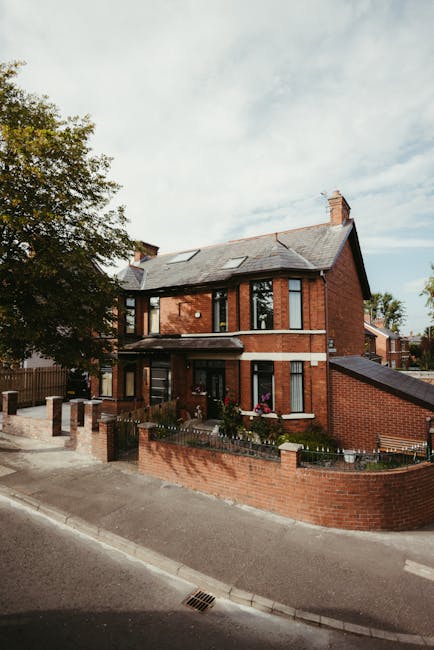
Imagine a typical Blackfen Road frontage: a narrow lawn strip near the pavement, a hedge that has grown uneven at the top, a border full of mixed shrubs, and a patch of bare soil near the path where weeds keep winning. Nothing disastrous. Just a bit weary.
A practical improvement plan might look like this:
- Shape the hedge so it frames the garden rather than swallowing it
- Replace thin, patchy lawn areas with ground cover where mowing is awkward
- Pull out overcrowded shrubs and keep only the strongest shapes
- Clean the path edge and define the border properly
- Add one or two pots near the entrance for seasonal interest
After that, the garden becomes easier to read at a glance. It looks deliberate. It also becomes easier to maintain because you are not asking the same bit of ground to do too much. That is usually where the relief comes in. Not dramatic, just steady and noticeable.
If the frontage includes old timber, broken edging, or a boundary that no longer holds together, a wider review of fencing options and related garden structure can be useful. And if the space leads into a patio or hardstanding area, keeping that surface clean helps the whole front of the property feel sharper. See patio cleaning for the sort of finish that supports the garden rather than competing with it.
Practical Checklist
Use this quick checklist before you start, or before you ask anyone to help:
- Is the front garden mainly decorative, practical, or both?
- Do the current plants suit sun, shade, wind, and soil conditions?
- Is access from gate to door clear and safe?
- Are there areas where weeds, moss, or bare soil keep returning?
- Does the hedge or boundary need cutting back into shape?
- Would low-maintenance planting work better than turf in any section?
- Is there a single focal point, or does the space feel visually busy?
- Have you thought about winter structure, not just summer colour?
- Do you need help with mowing, trimming, clearing, or a bigger redesign?
- Are you clear on budget, timing, and how waste will be handled?
Expert summary: the best front gardens are not the fanciest ones. They are the ones that look tidy, cope with local conditions, and stay manageable without constant rescue work.
For those who want to turn a front garden into a more personal space, a few extra ideas can help. Herb pots by the entrance can be both attractive and useful, and a small seating nook or bench may suit wider frontages if privacy allows. If that appeals, have a look at growing herbs from seed and garden seating ideas for a bit of inspiration.
Some gardens also benefit from seasonal planning. If you want your frontage to look better in colder months rather than collapsing into a sad, wet corner, the guide on keeping gardens thriving through winter is well worth your time.
Conclusion
Blackfen Road front gardens work best when they are simple, resilient, and clearly maintained. That does not mean dull. It means thoughtful. A strong layout, the right plants, and a manageable upkeep routine will usually beat a complicated design every single time.
If your front garden feels slightly out of control, start with the basics: clear the clutter, sharpen the edges, and make sure the space can actually function day to day. Then build from there. You do not need to transform everything at once. Small, steady improvements tend to last longer anyway.
If you want a frontage that feels tidy, welcoming, and easy to live with, the best time to begin is usually before the weeds get ideas above their station.
Get a free quote today and see how much you can save.
And if you are ready to take the next step, start with a conversation about the kind of front garden you want, not just the one you have. That is often where the best results begin.
Frequently Asked Questions
What makes a front garden on Blackfen Road different from a back garden?
Front gardens usually need to balance appearance, access, and maintenance more carefully. They are more visible, more exposed to weather, and often smaller or more awkwardly shaped than rear gardens.
How can I make a small front garden look bigger?
Use fewer plant types, keep lines clean, and avoid overcrowding. A simple colour palette, tidy edging, and one focal point can make a compact space feel calmer and more open.
Is a lawn a good idea for a front garden?
Sometimes, yes. But only if the site gets enough light and is not too compacted or narrow. In shade or high-traffic spots, ground cover or hard landscaping can be a better choice.
What are the easiest plants to maintain at the front of a house?
Generally, tough shrubs, evergreen structure plants, and low-growing ground cover work well. Choose plants that suit the site rather than chasing a look that needs constant attention.
How often should a front hedge be trimmed?
It depends on the plant and the growth rate, but most front hedges benefit from regular light trimming rather than a big cut once in a while. Keeping on top of it is much easier than letting it run away.
What should I do if my front garden is overgrown with ivy?
Start by assessing whether it is only on the surface or has worked into shrubs, fences, or walls. Ivy can be persistent, so careful removal is better than a rough pull that leaves roots behind.
Can front gardens improve property appeal?
Yes, a neat and well-kept frontage can make a property feel more cared for and inviting. It doesn't have to be elaborate; often the simplest improvements have the strongest visual effect.
How do I keep weeds down without constant effort?
Use ground cover, mulch, and clear borders where possible. The less bare soil you leave exposed, the fewer opportunities weeds have to take root.
Do I need professional help for a front garden makeover?
Not always. Smaller changes can be done yourself. But if the space is overgrown, uneven, or needs structure work, professional help can save time and reduce mistakes.
What services are most useful for front gardens?
Commonly, people benefit from lawn care, mowing, hedge trimming, planting refreshes, garden maintenance, and sometimes fencing or landscaping if the layout needs more than a tidy-up.
How do I choose between maintenance and a full redesign?
If the garden already has a decent layout, maintenance may be enough. If access is poor, the planting is failing, or the space simply does not function, a redesign is usually the better investment.
Where can I ask for help or get started?
If you want tailored advice for your own frontage, the simplest next step is to make an enquiry through the contact page. That lets you explain what you have now and what you want it to become.